Carbon monoxide is called “the silent killer” for good reason—it’s colorless, odorless, tasteless, and can incapacitate or kill within minutes. If your Valparaiso, Crestview, Niceville, or Fort Walton Beach home has a gas furnace, gas water heater, or any fuel-burning appliance, understanding carbon monoxide safety isn’t optional—it’s essential to protecting your family’s lives.
While carbon monoxide poisoning is relatively rare in well-maintained homes, the consequences are so severe that every homeowner needs to understand the risks, recognize the warning signs, and implement proper safety measures. This comprehensive guide covers everything Northwest Florida homeowners need to know about carbon monoxide safety.
What Is Carbon Monoxide and Why Is It Dangerous?
Carbon monoxide (CO) is a toxic gas produced when fuels like natural gas, propane, oil, wood, or coal burn incompletely due to insufficient oxygen. Unlike natural gas, which is scented with mercaptan (that rotten egg smell) for detection, carbon monoxide has no warning properties—you cannot see it, smell it, or taste it. When inhaled, CO molecules bond with hemoglobin in your blood more readily than oxygen, preventing oxygen from reaching your vital organs and tissues, causing poisoning that can be fatal.
How Does Carbon Monoxide Enter Your Home?
In Northwest Florida homes, several common sources can produce dangerous CO levels:
Gas Furnaces and Heating Systems
Your gas furnace is designed to safely burn natural gas and vent combustion byproducts (including CO) outside through your flue or exhaust system. Problems occur when:
- Cracked heat exchangers: The heat exchanger separates combustion gases from the air distributed through your home. Cracks allow CO to mix with your indoor air—one of the most dangerous furnace problems.
- Blocked or damaged flue pipes: If exhaust vents are blocked by debris, bird nests, or structural damage, CO backs up into your home instead of venting outside.
- Improper installation or modifications: DIY repairs or unqualified installations can create unsafe venting conditions.
- Poor maintenance: Neglected furnaces develop carbon buildup that causes incomplete combustion and increased CO production.
Gas Water Heaters
Water heaters burn gas continuously and require proper ventilation:
- Blocked flue vents prevent proper exhaust
- Improper installation in confined spaces
- Inadequate combustion air supply
- Aging equipment with deteriorating components
Other Potential Sources
- Gas fireplaces and space heaters: Especially unvented models or those with damaged components
- Attached garages: Running vehicles or gas-powered equipment in attached garages allows CO to enter your home
- Gas stoves and ovens: Never use these for home heating—they’re not designed for this purpose and produce dangerous CO levels
- Generators: Running backup generators too close to your home during power outages
- Gas dryers: Blocked vents prevent proper exhaust
What Are the Symptoms of Carbon Monoxide Poisoning?
CO poisoning symptoms are often mistaken for the flu or other common illnesses, making recognition critical:
Mild Exposure Symptoms:
- Headache (often described as “dull” and across the forehead)
- Dizziness and lightheadedness
- Nausea and vomiting
- Fatigue and weakness
- Shortness of breath
Moderate Exposure Symptoms:
- Confusion and difficulty thinking clearly
- Blurred vision
- Chest pain
- Increased heart rate
- Loss of coordination
Severe Exposure Symptoms:
- Loss of consciousness
- Seizures
- Cardiac arrest
- Death
Critical warning signs that indicate CO poisoning rather than illness:
- Multiple family members sick simultaneously: If everyone in your household develops flu-like symptoms at the same time, especially during heating season, suspect CO.
- Symptoms improve when away from home: If you feel better at work or when you leave the house, but symptoms return at home, this strongly suggests CO poisoning.
- Pets affected too: Dogs, cats, and birds show similar symptoms—lethargy, vomiting, confusion.
- Symptoms worsen with furnace operation: Feeling worse when heat runs or in rooms closest to the furnace.
Are Carbon Monoxide Detectors Required in Florida?
Yes, Florida law requires carbon monoxide detectors in specific circumstances. Florida Statute 553.885 mandates CO detectors in new construction homes and buildings with fossil fuel-burning appliances or attached garages. For existing homes, requirements vary by local jurisdiction—many counties including Okaloosa County (covering Crestview, Niceville, Fort Walton Beach, and Valparaiso) require CO detectors in homes with fuel-burning appliances. Even if not legally required in your specific situation, CO detectors are inexpensive life-saving devices that every home should have.
Where Should You Install Carbon Monoxide Detectors?
Proper placement is critical for effective CO detection:
Required Locations:
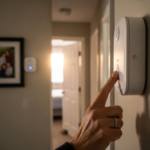
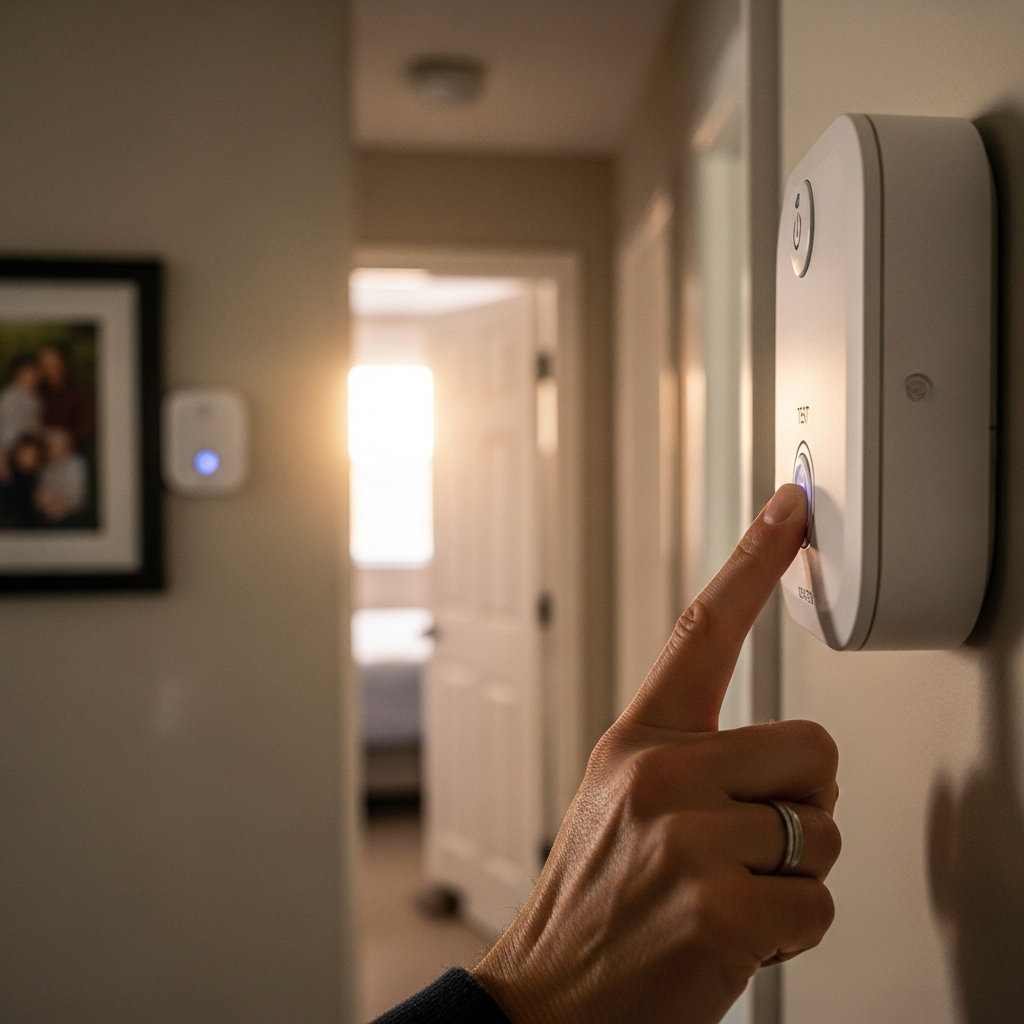
Near sleeping areas: Install at least one CO detector within 10 feet of each bedroom door or in the hallway outside sleeping areas. This ensures you’ll hear the alarm if CO levels rise while you’re sleeping—when you’re most vulnerable.
On every level of your home: Including basement (if applicable) and any finished attic spaces where people spend time.
Additional Recommended Locations:
- Near the furnace or gas appliances: Provides earliest warning if these sources malfunction (but not directly above—high humidity near furnaces can cause false alarms)
- Attached garage: If your garage shares a wall with living spaces, install a detector near the connecting door
- Living areas: Common rooms where family spends significant time
Installation Guidelines:
Height matters: CO is slightly lighter than air and will rise, but it also mixes readily. Install detectors:
- On walls: 5 feet from the floor (roughly head height)
- On ceilings: At least 12 inches from walls and corners
- Never in dead air spaces (corners, near vents, close to fans)
Avoid these locations:
- Within 15 feet of fuel-burning appliances (may cause false alarms from startup emissions)
- In bathrooms or very humid areas
- Near windows, doors, or ventilation that might disperse CO before detection
- In garages (exhaust fumes cause false alarms—place detectors inside adjacent living spaces instead)
What Types of Carbon Monoxide Detectors Should You Buy?
Several detector types offer different advantages:
Battery-Powered Detectors
- Pros: Easy installation anywhere, work during power outages, portable
- Cons: Require regular battery replacement, some homeowners forget to maintain
- Best for: Renters, supplemental protection, temporary situations
- Cost: $20-40
Hardwired Detectors with Battery Backup
- Pros: No battery replacement for primary power, backup during outages, interconnected with home security
- Cons: Requires electrical installation, more expensive
- Best for: New construction, whole-home protection systems
- Cost: $50-100 per unit
Plug-In Detectors with Battery Backup
- Pros: No wiring required, battery backup for outages, easy installation
- Cons: Uses outlet space, visible power cord
- Best for: Most homeowners seeking reliable protection
- Cost: $30-60
Combination Smoke/CO Detectors
- Pros: Single device provides dual protection, saves installation space
- Cons: If one sensor fails, you must replace entire unit, generally more expensive
- Best for: Comprehensive home safety systems
- Cost: $40-80
Smart/Connected Detectors
- Pros: Smartphone alerts even when away from home, self-testing, low-battery notifications, integration with smart home systems
- Cons: Higher cost, requires Wi-Fi, depends on cloud services
- Best for: Tech-savvy homeowners, those who travel frequently
- Cost: $80-150
What to look for when buying:
- UL certification (look for UL 2034 standard)
- Digital display showing CO levels (helpful for monitoring)
- End-of-life warning (detectors expire after 5-10 years)
- Test/reset button
- Loud alarm (85 decibels minimum)
How Do You Maintain Carbon Monoxide Detectors?
Proper maintenance ensures your detectors work when needed:
Monthly: Press the test button to verify the alarm sounds
Every 6 months: Replace batteries in battery-powered units (do this when you change clocks for daylight saving time as an easy reminder)
Annually: Vacuum detector vents to remove dust that can interfere with sensors
Every 5-10 years: Replace entire detector (check manufacturer specifications—most last 7 years). Many newer models have end-of-life warnings that chirp when replacement is due.
After any alarm: Even if you determine it was a false alarm, test the detector to ensure it still functions properly
What Should You Do If Your Carbon Monoxide Detector Alarms?
This is a life-threatening emergency. Follow these steps immediately:
Step 1: Evacuate Everyone Immediately
- Don’t debate or investigate—get every person and pet out of the house NOW
- Move to fresh air outside, away from doors and windows
- Do not re-enter for any reason—not for phones, keys, medications, or belongings
Step 2: Call 911 from Outside
- Report carbon monoxide alarm activation
- Tell them if anyone has symptoms
- Follow dispatcher instructions
Step 3: Account for Everyone
- Ensure all family members and pets are outside
- Check for symptoms—headache, dizziness, nausea
Step 4: Seek Medical Attention if Symptomatic
- CO poisoning requires medical evaluation even if symptoms seem mild
- Tell medical personnel you were exposed to carbon monoxide
- Oxygen therapy may be necessary
Step 5: Do Not Re-Enter Until Cleared
- Fire department will test CO levels
- Source must be identified and repaired
- Only return when professionals declare it safe
Never ignore a CO alarm thinking it’s a false alarm. While false alarms happen (low batteries, detector malfunction, startup emissions), you cannot verify safety without professional testing equipment. Always evacuate and call 911.
How Can You Prevent Carbon Monoxide Poisoning?
Prevention is straightforward but requires diligence:
Annual Professional HVAC Maintenance
This is the single most important preventive measure. Professional maintenance should include:
- Heat exchanger inspection for cracks or damage
- Flue pipe inspection and cleaning
- Combustion analysis to ensure complete burning
- Proper venting verification
- Carbon monoxide testing with calibrated equipment
- Safety control testing
Just Right Heating & Air Conditioning’s comprehensive heating service includes thorough CO safety inspections. Our technicians use professional-grade CO testing equipment and inspect all critical safety components during every service call.
Proper Ventilation
- Never block furnace vents or air intakes
- Ensure adequate combustion air supply
- Keep flue pipes clear of debris
- Never seal your home so tightly that combustion appliances can’t get enough air
Safe Appliance Use
- Never use gas stoves or ovens for heating
- Don’t run vehicles in attached garages, even briefly
- Operate generators at least 20 feet from your home
- Don’t use unvented space heaters indoors
- Never burn charcoal indoors (grills, hibachis, etc.)
Regular Chimney and Flue Cleaning
Gas appliances still require clean, unobstructed venting:
- Inspect annually for blockages (bird nests, debris)
- Ensure proper cap installation to prevent animal entry
- Check for rust, corrosion, or damage
Monitor Warning Signs
Watch for indicators that appliances may be producing CO:
- Yellow or flickering furnace flames (should be steady blue)
- Soot buildup around furnace or water heater
- Excessive moisture on windows when furnace runs
- Rust or water streaking on flue pipes
- Pilot lights that frequently blow out
Any of these warrant immediate professional inspection.
Special Considerations for Northwest Florida Homes
Our Gulf Coast climate creates unique CO safety considerations:
Hurricane Preparedness
After hurricanes or severe storms:
- Have HVAC systems inspected before use
- Flue pipes and vents may be damaged or blocked
- Never use generators indoors or in garages during power outages
- Portable heaters become dangerous when used improperly
Humidity and Corrosion
Florida’s humidity accelerates corrosion:
- Heat exchangers and flue pipes deteriorate faster than in dry climates
- Annual inspections are even more critical here
- Salt air in coastal areas further accelerates metal deterioration
Mild Winters
Paradoxically, mild winters create risks:
- Furnaces not used regularly may develop problems undetected
- Homeowners skip maintenance because systems seem fine
- Occasional use means problems may not manifest until systems run extended periods during cold snaps
Older Homes
Many Florida homes have gas appliances installed decades ago:
- Older equipment has higher failure rates
- Installation standards have improved—older systems may not meet current safety requirements
- If your furnace or water heater is over 15 years old, consider replacement even if still functioning
Understanding Different Types of CO Exposure
Acute High-Level Exposure:
- Rapid exposure to very high CO concentrations
- Causes immediate symptoms: severe headache, confusion, loss of consciousness
- Medical emergency requiring immediate evacuation and 911 call
- Usually results from appliance malfunction or dangerous CO source (generator in garage)
Chronic Low-Level Exposure:
- Prolonged exposure to lower CO levels over days or weeks
- Symptoms may be vague: persistent headaches, fatigue, nausea, “feeling off”
- Often misdiagnosed as flu or other illness
- Results from small leaks or minor appliance problems
- Requires CO testing and appliance inspection
Both types are dangerous. Chronic exposure damages organs over time even if symptoms seem mild.
What Happens During a Professional CO Safety Inspection?
When you schedule heating system maintenance or a dedicated safety inspection, technicians should:
Visual Inspections:
- Heat exchanger examination with mirrors and lights
- Flue pipe condition and connections
- Burner condition and flame pattern
- Ventilation adequacy
Combustion Analysis:
- Measure CO in exhaust gases
- Check oxygen levels and efficiency
- Verify proper combustion ratios
- Test under various operating conditions
Ambient CO Testing:
- Test CO levels in living spaces
- Test near appliances during operation
- Verify detectors are properly functioning
Safety Control Testing:
- Verify limit switches and safety shutoffs
- Test pressure switches and flame sensors
- Ensure emergency shutoff systems work
Documentation:
- Provide written report of findings
- Explain any concerns or recommendations
- Document safe operation or needed repairs
A thorough inspection takes 60-90 minutes and provides peace of mind that your systems are operating safely.
The Bottom Line on Carbon Monoxide Safety
Carbon monoxide poisoning is preventable through proper equipment maintenance, correct detector installation, and awareness of warning signs. While the risks are real, they’re manageable with responsible homeownership practices.
If your Valparaiso, Crestview, Niceville, or Fort Walton Beach home has any gas appliances, make carbon monoxide safety a priority:
- Install CO detectors on every level and near sleeping areas
- Schedule annual professional maintenance for all fuel-burning appliances
- Test detectors monthly and replace batteries as needed
- Educate your family about symptoms and emergency procedures
- Never ignore warning signs—unusual flames, soot, frequent pilot outages
Just Right Heating & Air Conditioning takes carbon monoxide safety seriously. Every heating system service we perform includes thorough safety inspections with professional CO testing equipment. Our technicians are trained to identify potential CO hazards and provide honest recommendations to keep your family safe.
Don’t wait for a CO alarm to think about safety. Schedule your annual heating system inspection today by calling 850-362-9256. We’ve been protecting Northwest Florida families since 2003, and we understand that your family’s safety is more important than any repair or service call.
Learn more: The Centers for Disease Control and Prevention provides comprehensive information about carbon monoxide poisoning prevention, symptoms, and treatment for homeowners and healthcare providers.

Joshua Kuenzel is the owner and lead technician of Just Right Heating and Air Conditioning in Crestview, FL. A licensed Florida HVAC contractor (CAC1820142) and EPA certified technician with experience since 2006, Joshua founded the company in 2003 to provide honest, affordable HVAC service to Northwest Florida families.